Real Estate Market Trends for Southwood Torrance
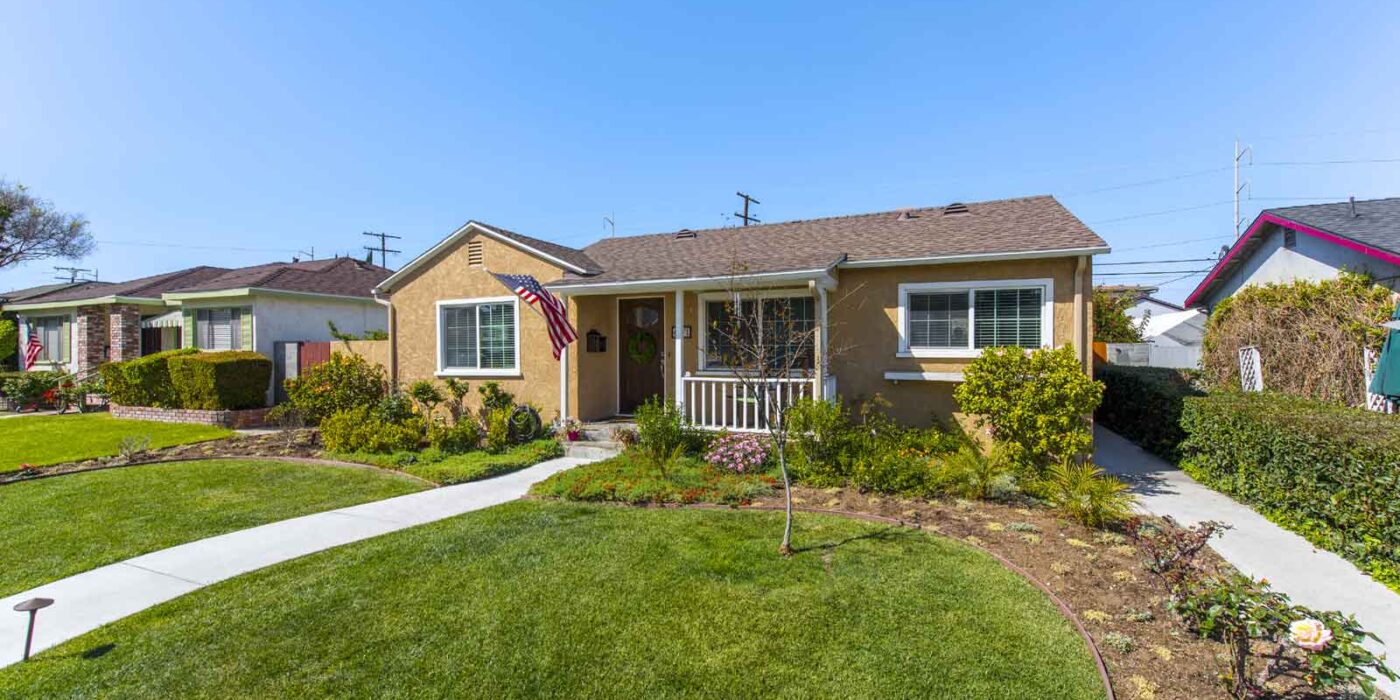
When buying or selling homes in the Southwood neighborhood of Torrance, knowing and understanding the real estate market is critical to making the right decision. Real estate trends can help determine current values or even when the appropriate time to list and sell your Southwood home. The information below is intended to help you get a better understanding of what is happening in the market. Sitting just east of Redondo Beach and in between the Torrance neighborhoods of South Torrance and West Torrance, Southwood is a very community oriented area with most homes within walking distance to local schools, homes with appropriate sized lots and tree lined streets.
The chart below shows the number of active listings (light green) sold homes (dark green) and pending home sales (red line) The greater the discrepancy between active homes and sold homes indicates a buyers market and when the numbers are closer a sellers market is indicated as inventory is down.
The chart below shows the average price per square foot. Square footage in the South Bay often doesn’t mean as much as in other markets as values can vary so dramatically due to things such as proximity to the beach, views, specific neighborhoods.
The chart below shows the average days on market per month as well as the % of list price that homes sold at. A high % indicates a sellers market as home sell at, or above list price.
The chart below shows the average price for listed home sales in relation to the average price for sold homes.
The chart below indicates the months of home inventory based on closed home sales. Buyer’s market: more than 6 months of inventory Seller’s market: less than 3 months of inventory Neutral market: 3 – 6 months of inventory